Home / News / Industry news / What are the advantages of flexible tubular heating elements over traditional heating elements?
Sinton's headquarters is located in China. Combining technological innovation, reliability, and excellent customer service, it provides one-stop electric heating solutions and has served over 10,000 cases of thermal energy solutions in various industries. Sinton has its own mature technical team, a 3,600-square-meter R&D center and experimental base, and its own production base, including the production of various electric heating elements such as cartridge heater, tubular heating elements, flexible heating elements, etc and electric heaters such as immersion heater, Pipeline Heater, air duct heater, oil circulation thermal process heater, drying machine etc . As China electric heating elements manufacturers and OEM/ODM industrial heater suppliers, we are committed to providing the most cost-effective solutions to meet the heating needs of customers on-site. We can also customize various products according to customer drawings. If you plan to invest in China, we can also provide the most favorable factory rental. We have 80,000 square meters of factory buildings for rent in Jiangsu Province China.
Industry news
2024-05-23
What are the advantages of flexible tubular heating elements over traditional heating elements?
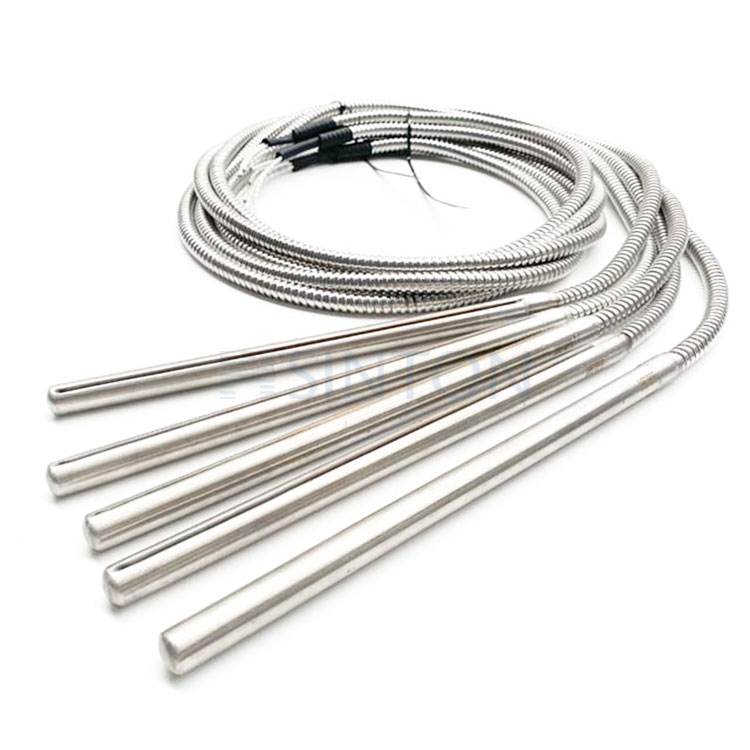
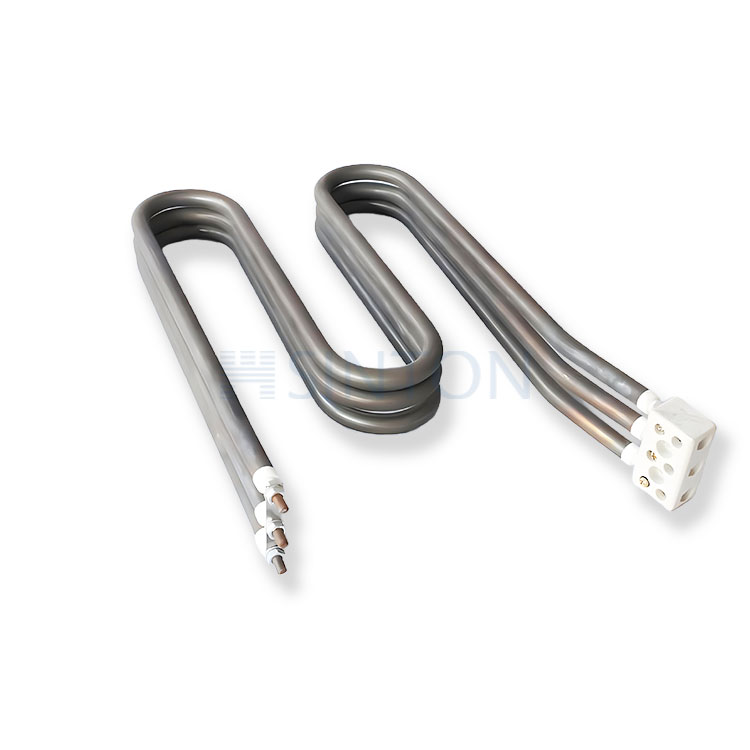
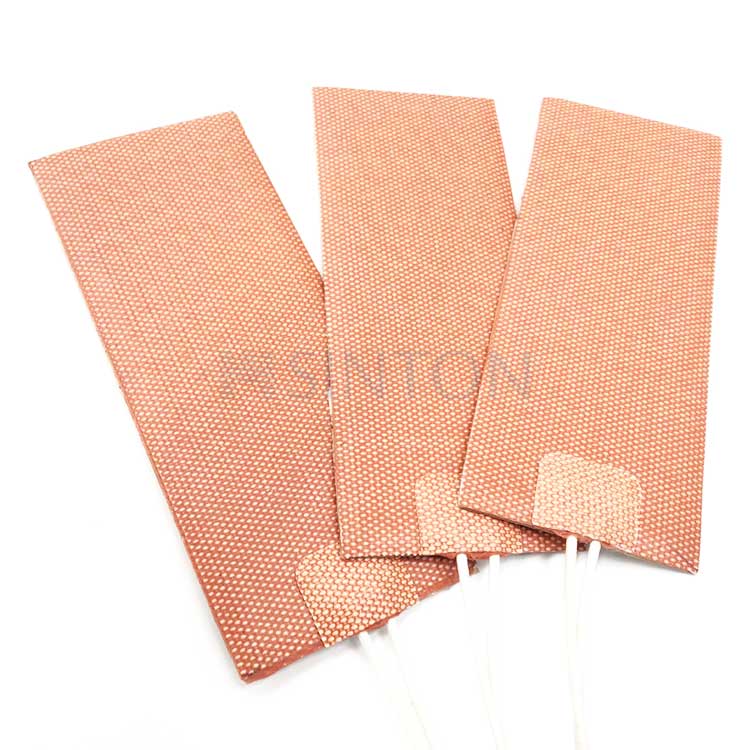
Unlike traditional rigid heating elements, flexible tubular heating elements can adapt to a variety of complex heating surfaces, easily bend and form different shapes, and conform to curved, bent pipes, and irregularly shaped components, providing more comprehensive heating coverage and ensuring that the entire heating area is evenly heated.
Uniform heating is another major advantage of flexible tubular heating elements. Due to their special design, the heating wire is evenly distributed in the flexible insulating material, which can effectively avoid the problem of local overheating or insufficient cooling that may occur with traditional heating elements. This uniform heating effect not only improves heating efficiency but also helps to ensure that the heating object obtains a consistent temperature distribution throughout the heating process, thus ensuring the stability of product quality.
Compared to traditional heating elements, flexible tubular heating elements generally have more diverse installation options, such as bonding, clamping, or strapping. This makes them easier to adapt to various heating scenarios and special-shaped heating surfaces, thereby reducing installation difficulty and cost. Additionally, flexible tubular heating elements can effectively reduce energy waste and lower energy consumption costs by providing precise heating control.
 English
 русский
 Espa?ol


 China Industrial Electric Heating Elements Manufacturers